
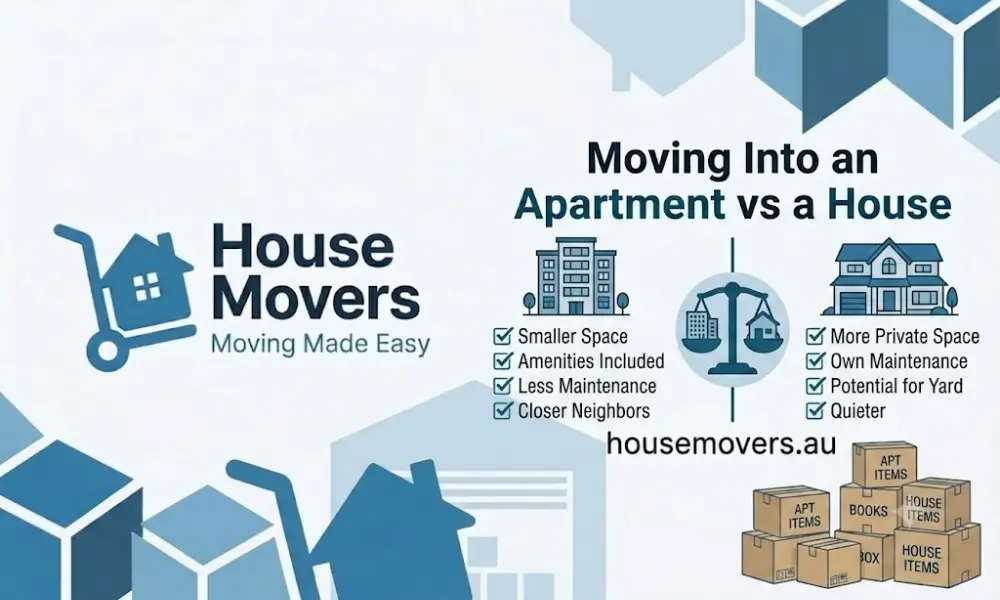
Picking between an apartment and a house comes down to three things: your budget, your daily routine, and where you see yourself in five years. Some people need a yard and a spare room for the kids. Others just want to lock up and leave for the weekend without worrying about mowing anything. There’s no single right answer here, only the one that fits how you actually live.
Cost Differences Between Apartments and Houses
Houses usually hit your wallet harder at the start. They often cost more upfront, with higher stamp duty, a larger deposit, and more expenses before you have even moved a single box. On paper, apartments may seem affordable, but there is one expense that many first-time apartment buyers do not consider: strata fees.
They take care of things such as building insurance, repairing the lift when it goes out of order, and maintaining hallway cleanliness. In Sydney, strata fees for a two-bedroom apartment can range from about $1,500 to $3,000 per quarter. Melbourne is often slightly lower, with quarterly strata fees commonly ranging from around $1,200 to $2,500.
Houses dodge strata altogether. What you get instead is council rates, paid directly to your local council for roads, bins, parks, that kind of thing. Whichever one you settle on, a good house removal service can walk you through what moving day actually costs on top of all this.
- Apartment: lower deposit, quarterly strata bill
- House: higher deposit, no strata, just council rates
- Water, gas, and power apply either way
Who Handles Maintenance and Repairs?
This is where the two paths really split. Owning a house means every leaky tap and cracked tile lands on you, full stop. No one else is available to call. In an apartment, maintenance responsibilities are split between the owner and the body corporate. The body corporate usually looks after common areas such as the lift, lobby, and shared facilities, while the owner handles repairs inside the unit. That can take some pressure off you, although repairs to shared areas may depend on body corporate decisions and timelines.
Space and Layout: What Each Property Offers
A house gives you room to breathe, extra bedrooms, a garage, somewhere to store the bikes nobody rides anymore. If your family’s growing or you just like having space, that matters. Apartments trade that room for efficiency. Everything’s closer together, which some people genuinely prefer, especially if you live alone or you’re buying your first place solo.
Moving all that extra furniture, though, is where houses get complicated. That’s usually when people call in furniture removal help rather than trying to shift a couch down three flights of stairs alone.
Outdoor Space and Garden Access
Indoor space is only half the story. What’s outside your front door changes your day-to-day just as much, particularly if there’s a dog or a toddler involved.
Houses tend to come with a backyard. That’s where the barbecues happen, where the kids kick a ball around, where the dog does its business. Apartments rarely offer that. You might luck into a balcony, or you’ll be sharing a courtyard with everyone else in the building.
Privacy, Noise, and Neighbour Proximity
There’s something to be said for a house standing on its own block. No shared walls, no footsteps overhead at midnight. Apartments put you shoulder to shoulder with your neighbours, literally, since you’re sharing walls and often a hallway too. It’s noisier, sure, but you’ll probably know your neighbours’ names faster than you would in a house.
Location, Commute, and Access to Services
Apartments cluster near the action, close to trains, cafes, and work. That shaves real time off your commute. Houses push further out, which usually means a longer drive but a lot more space for the same money.
Security Features: Apartments vs Houses
Where you end up living also decides how much security you’re handed versus how much you have to sort out yourself.
Most apartment blocks already have an intercom, cameras in common areas, and a locked entry you need a fob for. Buy a house and it’s on you, an alarm, a camera, whatever you decide to install.
Investment Value and Long-Term Returns
Houses build wealth mostly through the land underneath them, and land tends to appreciate. That said, apartments in the right pocket of a city can pull strong rental returns for a much smaller entry price, which is exactly why so many first-time investors in the Australian property market start there instead.
Lifestyle Fit: Pets, Hosting, and Flexibility
Houses generally let you keep pets without a fight and renovate however you like. Pet policies or guidelines may exist in apartments and can be quite specific about what you can change in your apartment. Ask yourself the truth: are you looking for a place to stay for a while or a place to lay your head down for two years before moving again? Packing carefully matters either way, and a professional packing service can help keep your fragile items from becoming moving-day casualties.
What to Expect When Moving Into Each Property Type
Apartment move? Expect to book the lift ahead of time and navigate tight corners with the couch. A house removal crew that’s done it before will already know to plan for that.
Houses bring more furniture and, usually, a driveway the truck can actually park in. Furniture removal and professional packing both make that day easier. Crossing state lines instead? Long distance movers take that headache off your hands entirely.